Both white label vodka and private label vodka involve outsourcing production to an existing distillery, but they differ in branding, exclusivity, customization, and control over the product. Below is a deep comparison of these two concepts.
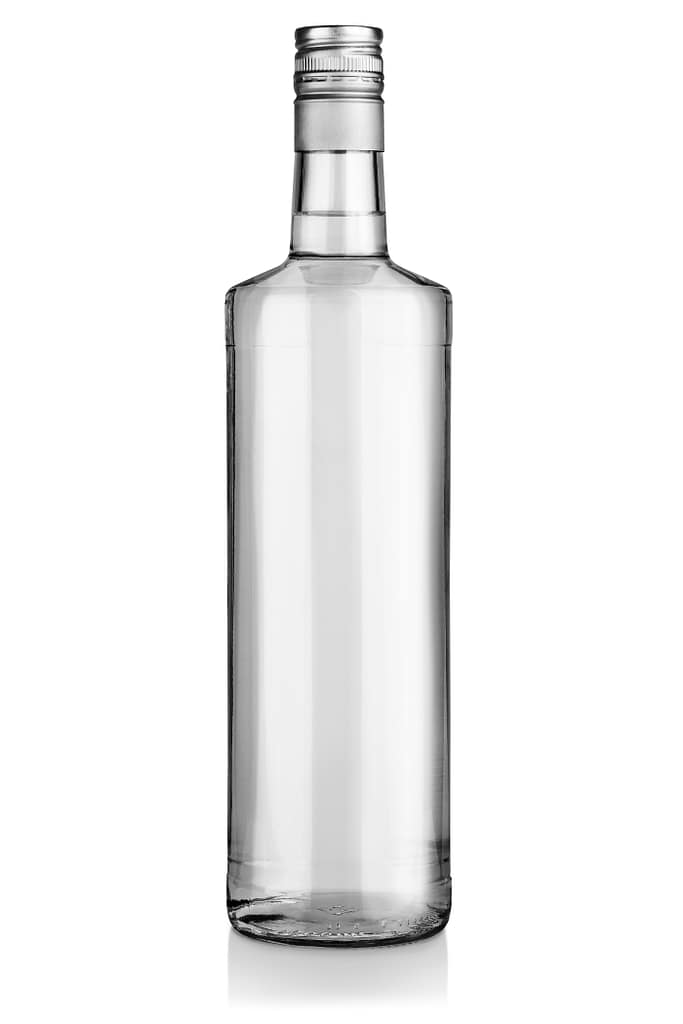
We only need to put your label on the glass bottle and you are ready to go!
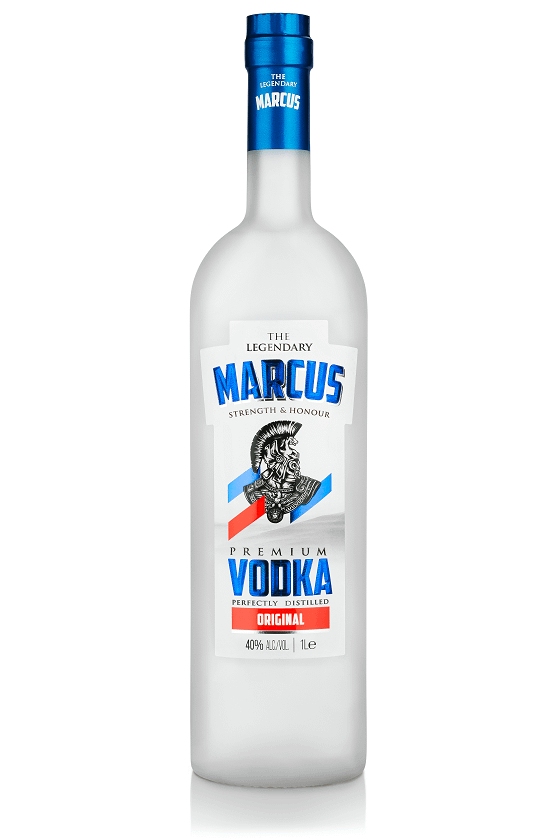
From where shall we start!
1. Definition & Core Concept
| Aspect | White Label Vodka | Private Label Vodka |
|---|---|---|
| Definition | A generic vodka produced by a distillery that multiple businesses can rebrand as their own. | A vodka produced specifically for one brand, retailer, or company with exclusive rights. |
| Branding | Different businesses can sell the same vodka under different names with minimal changes. | The vodka is exclusively branded for a single retailer, celebrity, or business. |
| Control Over Formula | Limited—usually, the distillery provides standard vodka formulations with little to no customization. | High—clients can often customize distillation methods, base ingredients, flavor profile, and bottle design. |
Summary: White label vodka is more of a pre-made product available for multiple businesses to put their branding on, while private label vodka is a custom-made product for a specific brand.
2. Customization & Exclusivity
| Aspect | White Label Vodka | Private Label Vodka |
|---|---|---|
| Exclusivity | No exclusivity—multiple brands can sell the same vodka with different labels. | Exclusive to one brand—no other company can sell the exact same vodka. |
| Customization | Low—usually limited to packaging and labeling. | High—brands can select ingredients, filtration process, ABV (alcohol by volume), and even packaging details. |
| Bespoke Production | No—distilleries offer the same vodka formula to many clients. | Yes—brands work with distilleries to develop unique formulas. |
Summary: Private label vodka allows a company to create a unique product, whereas white label vodka is more of a “plug-and-play” solution.
3. Quality Control & Production Involvement
| Aspect | White Label Vodka | Private Label Vodka |
|---|---|---|
| Product Quality Control | Controlled by the distillery with little input from the branding company. | The brand has significant input on quality control and can request lab testing, organic certification, or other quality measures. |
| Distillery Selection | The distillery offers standard white label options, often with few choices. | The brand can select a distillery and negotiate production methods. |
| Ingredient Selection | Pre-determined by the distillery (e.g., wheat, rye, or corn-based vodka). | The brand can specify base ingredients (e.g., potato, grape, organic wheat, etc.). |
Summary: Private label vodka offers more quality assurance and involvement in production, while white label vodka is typically a standardized product.
4. Branding & Marketing Strategy
| Aspect | White Label Vodka | Private Label Vodka |
|---|---|---|
| Marketing Positioning | Often marketed as affordable, store-brand, or generic vodka. | Can be positioned as premium, craft, or luxury vodka. |
| Brand Storytelling | Limited—most businesses resell the same vodka under different names. | Strong—companies can craft unique branding, emphasizing ingredients, production methods, and distillery partnerships. |
| Target Market | Bars, restaurants, small liquor brands, supermarkets. | High-end retailers, luxury brands, celebrities, and exclusive distributors. |
Summary: Private label vodka allows for a stronger, more unique brand presence, while white label vodka is more generic.
5. Cost & Business Model
| Aspect | White Label Vodka | Private Label Vodka |
|---|---|---|
| Initial Cost | Lower—businesses can purchase pre-made vodka in bulk and apply their own branding. | Higher—customization, unique ingredients, and proprietary formulations increase costs. |
| Profit Margins | Lower, since multiple brands sell the same product. | Higher, especially if the brand successfully differentiates itself as premium or exclusive. |
| Production Flexibility | Quick and easy to enter the market. | Requires development time, testing, and strategic planning. |
Summary: White label vodka is an easier, lower-cost entry into the market, whereas private label vodka requires more investment but offers higher branding and profit potential.
6. Real-World Examples
- White Label Vodka Example:
- A liquor distributor buys vodka from a large distillery and sells it under different brand names to bars, small retailers, or event companies.
- Many supermarket vodkas (such as Kirkland Signature Vodka) are suspected to be white label versions of premium brands.
- Private Label Vodka Example:
- A luxury brand works with a high-end distillery to create a proprietary formula using a specific distillation method and water source.
- Some celebrity-owned vodka brands fall into this category, as they often work closely with distilleries to create exclusive recipes.
Final Conclusion: Which One is Better?
| Factor | Best Choice |
|---|---|
| Quick Market Entry | White Label Vodka |
| Brand Exclusivity & Premium Positioning | Private Label Vodka |
| Lower Cost & Simplicity | White Label Vodka |
| Higher Profit Margins & Long-Term Brand Growth | Private Label Vodka |
| Customization & Quality Control | Private Label Vodka |
Final Thought:
If you want a fast, affordable way to enter the vodka market, white label vodka is the best option. But if you’re looking to build a strong, unique brand with premium positioning, private label vodka is the better choice.
 EN
 BG